
What Is a Truffle? Actually, a Truffle Is a Mushroom.
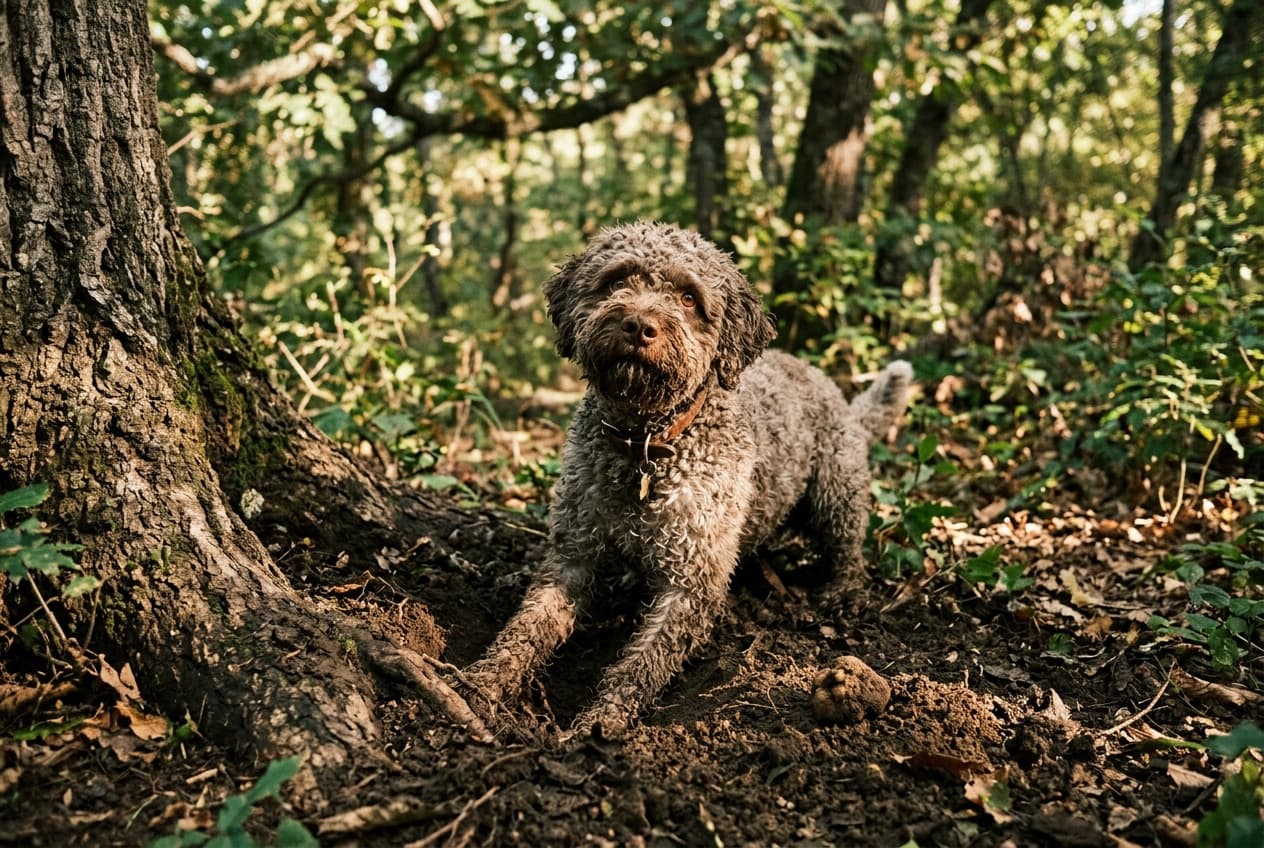
So let's start with a nice roundup of scientific and ecological facts about our beloved truffle. What is a truffle? The truffle is a mushroom; in particular, almost all edible species are mushrooms belonging to the genus Tuber.
Here is the first element to consider carefully: the genus name can easily mislead—the truffle is not a tuber (like a potato) but a real mushroom. A characteristic of the truffle mushroom is its nature as an underground organism, living in association with the roots of higher plants; this symbiosis is called mutualistic, as it provides clear advantages to both organisms.
The body of this mushroom is made up of the mycelium, a set of filaments joined together called hyphae; the truffle, as we know it and eat it, constitutes the fruiting body—the carpophore—of the mushroom. This union of mutual benefit takes place through the mycorrhizae: a real association, at the radicle and microscopic level, between the fungal hyphae and the roots of the host plant, allowing an exchange of nutrients between fungus and plant.
What Is a Truffle?
- A truffle is an underground mushroom, not a tuber like the potato.
- It belongs to the genus Tuber and is considered a delicacy in many cuisines.
- We eat the fruiting body of the fungus, while the main body (the mycelium) lives underground.
How Do Truffles Grow?
- Truffles grow symbiotically with the roots of certain trees, such as oaks, hazelnuts, and hornbeams.
- Mycorrhiza is a partnership where the fungus and tree exchange nutrients, helping each other thrive.
How Are Truffles Found?
- Because they grow underground, truffles can't be seen—they must be sniffed out.
- Specially trained dogs, such as the Lagotto Romagnolo, are used to find them by scent.
Where Are Truffles Hunted?
- Truffles are primarily found in forests or truffle orchards in specific regions of Europe, especially Italy, France, and Spain.
- They prefer calcareous (chalky) soils and specific climates, often near the roots of their host trees.
Experience the Hunt in Tuscany
Don't just read about truffles — join licensed local hunters and trained Lagotto dogs in the private woodlands of San Miniato. Discover freshly unearthed truffles, followed by an authentic 3-course truffle lunch and Tuscan estate wines.
3 Shared Experiences
From €160 / person
- Truffle hunt in the woods with trained dogs
- 3-course fresh truffle lunch & organic wines
- Option starting directly from Florence (Lungarno Cellini 33) or meeting in San Miniato
- Note: Autonomous arrival or central meeting point (no hotel pickup)
3 Private Experiences
From €220 / person
- Private hunt reserved exclusively for your party
- Chauffeured Mercedes minivan pickup available from Florence & surroundings
- Gourmet 3-course truffle lunch & premium wine pairings
- Personalized pace & direct interaction with the hunter